









Introduction
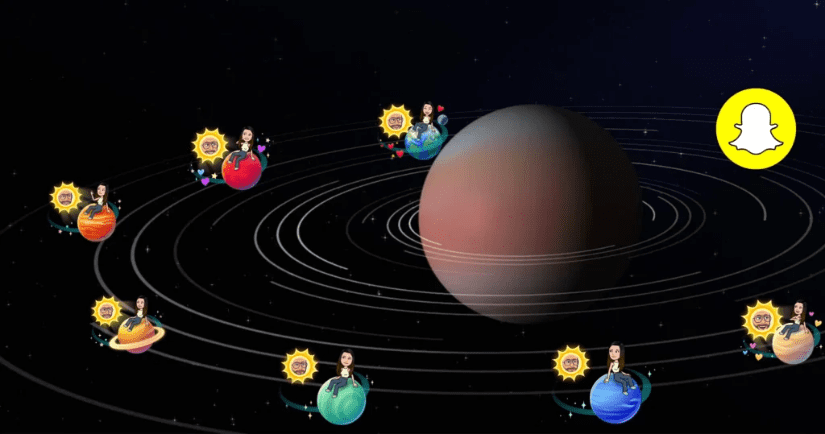
The phrase Snap Planets combines the fast, visual nature of “snap” with the fascinating world of planets and space. It can describe ideas involving planetary imagery, digital experiences, educational content, creative projects, or online concepts inspired by astronomy. Because the term can be interpreted in different ways, understanding its broader meaning helps explain why Snap Planets can appeal to students, creators, gamers, and anyone interested in exploring the universe.
What Does Snap Planets Mean?
Snap Planets is a phrase that naturally suggests a quick, visual, or interactive way of exploring planets.
“Snap” can imply taking a quick picture, capturing information, or interacting with something instantly. “Planets,” meanwhile, refers to the fascinating worlds that orbit stars.
Together, the phrase creates an image of making planetary information more accessible and engaging.
Why the Concept Is Interesting
Space can sometimes feel difficult to understand because planets are incredibly distant and enormous.
Visual tools can make complicated concepts easier to imagine.
A simple planetary image, animation, or interactive model can help people understand:
- Planet size
- Surface characteristics
- Orbital paths
- Atmospheres
- Temperature differences
- Distance from a star
- Rotation and revolution
The Appeal of Planetary Content
People have always been fascinated by planets.
From looking at the night sky to learning about distant worlds, planetary exploration combines science, imagination, and discovery.
Visual Learning
Images can communicate information quickly.
For example, comparing the appearance of Earth and Mars immediately highlights differences in color, surface, and atmospheric conditions.
This makes visual planetary content especially useful for education.
Creativity and Space
Planets are also popular subjects for creative work.
Artists and digital creators can imagine:
- Alien landscapes
- Futuristic cities
- Distant civilizations
- Strange planetary environments
- Space exploration missions
- Fictional solar systems
This creative side gives concepts such as Snap Planets a broad appeal beyond traditional astronomy.
Understanding the Planets
A useful way to explore Snap Planets is by looking at the major planets in our solar system.
| Planet | Type | Key Characteristic |
|---|---|---|
| Mercury | Rocky | Closest planet to the Sun |
| Venus | Rocky | Extremely hot surface |
| Earth | Rocky | Known for abundant surface water |
| Mars | Rocky | Distinctive reddish appearance |
| Jupiter | Gas giant | Largest planet |
| Saturn | Gas giant | Famous for its rings |
| Uranus | Ice giant | Rotates with an unusual tilt |
| Neptune | Ice giant | Known for powerful winds |
Each planet offers something different to explore.
Snap Planets and Astronomy Education
A visual concept centered on planets can make astronomy easier for beginners.
Instead of reading long explanations first, learners can start with an image and then explore the science behind it.
Making Complex Ideas Simpler
Astronomy includes many concepts that can initially seem difficult.
These include:
- Gravity
- Orbital mechanics
- Planetary formation
- Atmospheric composition
- Rotation
- Seasons
- Distance measurements
Visual representations can provide a starting point for understanding these subjects.
Exploring Planetary Differences
One of the most interesting aspects of Snap Planets is the opportunity to compare worlds.
Earth and Venus, for example, are relatively similar in size, but their environments are dramatically different.
Mars is much smaller than Earth and has a thin atmosphere.
Jupiter is completely different from rocky planets because it is a massive gas giant.
Why Comparisons Work
Comparisons make abstract information easier to remember.
A learner can quickly see how planets differ in:
- Size
- Composition
- Temperature
- Atmosphere
- Distance from the Sun
- Number of moons
- Surface conditions
This approach turns a large amount of information into something easier to process.
The Role of Technology
Modern technology has changed how people experience astronomy.
Digital platforms can display planetary models, simulations, animations, and high-quality imagery.
Interactive Experiences
Interactive planetary experiences can allow users to:
- Select a planet.
- View its characteristics.
- Compare it with another world.
- Explore its orbit.
- Learn interesting facts.
This type of interaction can be more engaging than simply reading a textbook.
Snap Planets and Social Media
The word “snap” also has a strong connection with quick visual communication.
Short-form content can make astronomy more accessible to people who might not normally search for scientific information.
Shareable Space Content
Planetary content can include:
- Quick facts
- Planet comparisons
- Space photography
- Short animations
- Astronomy quizzes
- Infographics
- Interesting discoveries
A visually appealing presentation can encourage people to learn more.
Why People Love Planet Facts
Planetary facts are naturally suited to short-form educational content.
For example, a single fact about Saturn’s rings or Jupiter’s enormous size can immediately spark curiosity.
Turning Curiosity Into Learning
A simple image or fact can lead to deeper questions:
- How did the planet form?
- What is its atmosphere made of?
- Does it have moons?
- Could humans ever visit it?
- What would the surface look like?
- How long would a journey take?
That progression from curiosity to research is one of the strengths of visual science communication.
Snap Planets and Future Exploration
Human interest in planets extends beyond the solar system.
Scientists continue to study distant worlds orbiting other stars.
These planets, known as exoplanets, have expanded our understanding of how planetary systems can develop.
The Search for Other Worlds
Researchers are particularly interested in planets that could potentially have conditions suitable for life.
This does not mean that life has been discovered on those worlds.
Instead, scientists study characteristics such as:
- Planet size
- Orbital distance
- Temperature
- Atmosphere
- Host star
- Possible presence of water
Future technology may reveal even more about distant planetary environments.
Creative Uses of Snap Planets
The concept can also inspire creative projects.
Education
Teachers can use planetary visuals to introduce astronomy lessons.
Digital Art
Artists can create imagined planetary landscapes and futuristic environments.
Gaming
Game designers can build virtual worlds inspired by real astronomical objects.
Content Creation
Creators can develop short educational posts focused on individual planets or space facts.
Tips for Exploring Planetary Content
If you’re interested in Snap Planets or planetary learning, try these approaches:
- Start with the eight major planets.
- Compare rocky and giant planets.
- Learn basic astronomy vocabulary.
- Explore planetary images.
- Study how planets orbit stars.
- Learn about moons and rings.
- Explore the basics of exoplanets.
- Combine visual learning with scientific explanations.
Keeping the learning process visual and organized can make astronomy much more enjoyable.
Frequently Asked Questions
1. What are Snap Planets?
Snap Planets is a phrase that can describe a visual or interactive concept centered around planets, astronomy, digital content, or creative planetary experiences.
2. Why are planets popular in digital content?
Planets are visually interesting and provide endless opportunities for education, storytelling, photography, animation, gaming, and digital art.
3. How many planets are in our solar system?
There are eight officially recognized planets in our solar system: Mercury, Venus, Earth, Mars, Jupiter, Saturn, Uranus, and Neptune.
4. Can planetary content be useful for education?
Yes. Visual planetary content can help learners understand complicated subjects such as planetary size, composition, orbits, atmospheres, and temperature.
5. What is the most interesting planet?
There is no single correct answer. Each planet has unique characteristics, so the most interesting choice depends on whether you prefer geology, weather, size, rings, exploration, or the possibility of unusual environments.
Conclusion
Snap Planets is an engaging phrase that captures the intersection of quick visual communication, creativity, and fascination with space. Whether used for educational content, digital experiences, artwork, or planetary exploration concepts, the idea encourages people to discover the worlds beyond Earth. From the rocky planets close to the Sun to the enormous outer giants, every planet offers a different story and a new reason to look toward the universe with curiosity.