









Introduction
Elisabeth Fritzl is the Austrian woman who survived one of the most disturbing crimes in modern history. For twenty-four years, from 1984 until 2008, she was imprisoned in a hidden cellar beneath her own family home in the town of Amstetten, Austria, by her father, Josef Fritzl. During those long years he repeatedly abused her and fathered seven children with her, all while telling the outside world that his daughter had simply run away. When the truth finally emerged in the spring of 2008, the case horrified people across the globe and became a lasting symbol of how unimaginable cruelty can hide behind an ordinary front door. This is the story of what happened to Elisabeth, the children who were born in that basement, and the quiet life she has slowly rebuilt in the years since her rescue.
Who Is Elisabeth Fritzl?
Elisabeth Fritzl was born on 6 April 1966, the fourth of seven children of Josef Fritzl, an electrical engineer, and his wife Rosemarie. The family lived in a plain grey building on Ybbsstrasse in Amstetten, a modest industrial town roughly 130 kilometres west of Vienna. From the outside, the Fritzls looked like an unremarkable Austrian family, but behind that facade Elisabeth’s childhood was shadowed by fear. Her father, it later emerged, began abusing her when she was only around eleven years old. As a teenager she tried repeatedly to break away, running off for short spells and training for work in the catering trade, clearly determined to build an independent life of her own. In 1984, when she was just eighteen, that hope was taken from her.
Trapped in 1984
In August 1984, Josef Fritzl lured his young daughter into the cellar of the family home by asking her to help him carry a heavy door. Once she was underground, he drugged her, restrained her, and locked her inside a hidden chamber he had been secretly building for years. To explain her disappearance, he told his wife, the neighbours, and even the police a lie he would maintain for decades: that Elisabeth had rebelled and run away, most likely to join a religious cult. He forced her to write letters in her own hand so that his story would seem believable, and whenever anyone asked about the missing young woman, he pointed to those letters as proof. Remarkably, the deception held for almost a quarter of a century.
The Cellar Beneath the House
The space Josef built was far more elaborate than a simple locked room. It was a soundproofed, windowless network of low-ceilinged chambers, sealed behind a reinforced concrete door that opened only with a secret electronic code known to him alone. Investigators would later describe a cramped labyrinth containing a small kitchen, a bathroom, and sleeping quarters, with fresh air reaching the family only through a narrow ventilation pipe. In places the ceiling was so low that an adult could not stand upright. As a trained engineer, Josef controlled everything that entered the cellar, from food and clothing to medicine and, eventually, a television that became the captives’ only glimpse of the world outside. He also ruled through fear, warning Elisabeth and her children that the door was rigged with gas and that any attempt to escape would kill them. In truth there was no gas, but the threat was enough to keep them from ever trying.
A Family Born in Captivity
Over her years underground, Elisabeth gave birth to seven children, all fathered by her own father, with no doctor, midwife, or hospital to help her. One baby, a boy named Michael, was sickly at birth and died after about three days without ever receiving medical care; Josef disposed of the infant’s body himself. The six surviving children were cruelly divided into two groups whose lives could not have been more different. Three of them, Lisa, Monika, and Alexander, were taken from the cellar as infants and raised upstairs by Josef and Rosemarie, who claimed the babies had been abandoned on their doorstep by their runaway daughter. These children went to school, made friends, and grew up in relative normality, never suspecting the horror beneath their home. The other three, Kerstin, Stefan, and the youngest, Felix, remained trapped in the cellar with their mother and never saw daylight until 2008. They emerged pale and physically underdeveloped, and the youngest, only five years old, had known nothing but the basement his entire life.
How the Case Came to Light
Elisabeth did not escape in any dramatic sense; the truth surfaced almost by accident, through a medical emergency. In April 2008, her eldest daughter, Kerstin, then nineteen, became gravely ill after years underground and collapsed with severe organ failure. Unable to treat her in the cellar, Josef finally took her to the hospital in Amstetten himself. Doctors were deeply alarmed by a young woman who arrived with no medical records and a condition they could not explain, and they made a public appeal on Austrian television for her mother to come forward. With attention closing in, Josef allowed Elisabeth to leave the cellar and go to the hospital to be near her daughter. There, separated from her father and repeatedly reassured by police that she and her children would be safe and would never have to see him again, Elisabeth finally told investigators the truth about her twenty-four years in captivity.
The Arrest and Trial
On 26 April 2008, Austrian police arrested Josef Fritzl and freed the remaining captives from the cellar. DNA testing quickly confirmed Elisabeth’s account, proving that Josef was both the father and grandfather of her children. The following year he stood trial in the city of St. Pölten. To spare her children the ordeal of testifying in open court, Elisabeth gave lengthy recorded testimony describing what had been done to her, and after part of that testimony was played, Josef pleaded guilty to all charges. In March 2009 he was convicted of crimes including murder by negligence for the death of baby Michael, along with rape, incest, enslavement, coercion, and false imprisonment, and was sentenced to life imprisonment. He was initially held in a secure unit for offenders considered mentally unwell.
What Happened to Her Parents
Josef Fritzl is still alive and still behind bars, now in his early nineties and reportedly suffering from advancing dementia. In recent years his lawyers argued that his age and frailty meant he was no longer a danger, and in 2024 the courts allowed him to be moved from the secure psychiatric unit into a regular prison. However, judges refused to grant him actual freedom, pointing to the sheer severity of his crimes, and later requests for release were rejected. He is expected to die in prison. Elisabeth’s mother, Rosemarie, was found to have known nothing of the cellar and had genuinely believed her daughter had run away. She was given protection alongside the family after the rescue, though the relationship between mother and daughter remained painful and complicated, and she and Josef later divorced. Like the rest of the family, Rosemarie now lives quietly and out of public view.
Where Elisabeth Fritzl Is Today
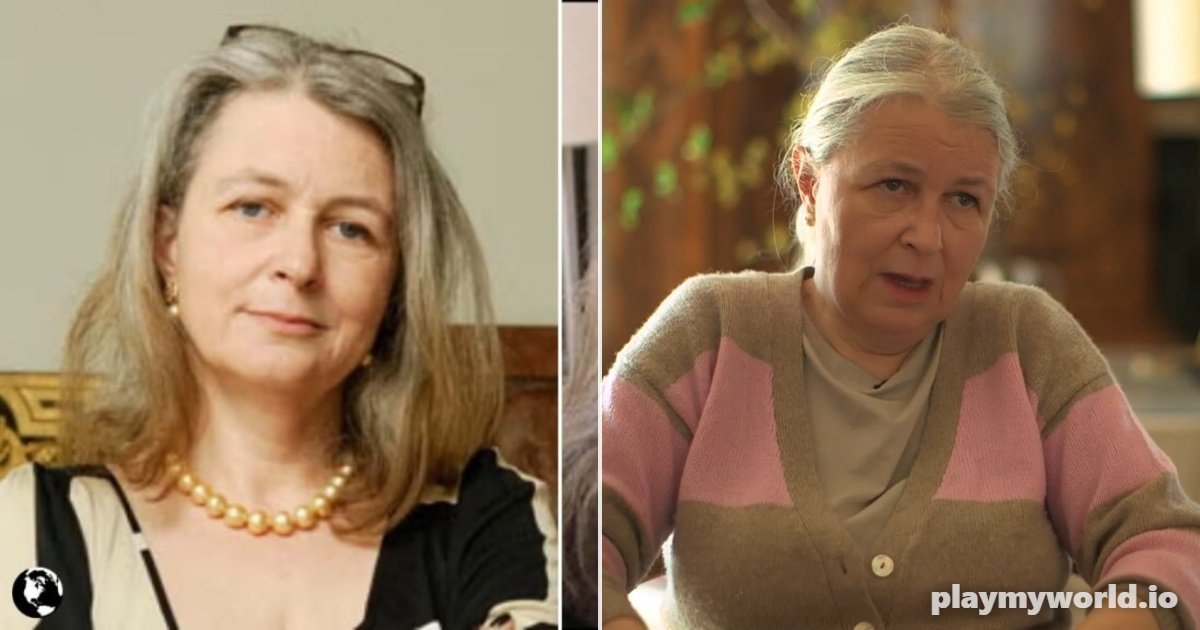
After months of intensive care and therapy, Elisabeth and her children were given entirely new identities by the Austrian authorities and moved to a secure home in a small, undisclosed rural community, protected by police and shielded from the media. The people of that community are widely said to have closed ranks to guard the family’s privacy, allowing them to live ordinary lives without being exposed. Over the years, occasional accounts have described Elisabeth slowly adjusting to freedom, learning to drive, shopping, and enjoying the small everyday things that were stolen from her for so long. She has given no interviews and keeps no public presence, and any image claimed to show her today should be treated with great caution. She has never written a book about her ordeal, and her private life remains exactly that, private, by her own deliberate choice.
Conclusion
The Fritzl case remains one of the most harrowing stories of captivity ever brought to light, a chilling reminder of how a respectable appearance can conceal terrible crimes for decades. Yet the most important part of Elisabeth’s story is not the horror she endured but the strength she showed in surviving it. She kept herself and her children alive through conditions almost impossible to imagine, found the courage to speak the truth once she was finally safe, and then chose to build a peaceful, private life on the other side of unimaginable suffering. Her father will spend the rest of his days in prison, while Elisabeth and her children have been given the chance to simply live. In a story defined by cruelty, that quiet survival is the detail most worth remembering.